Every week our dispatchers take calls from drivers who did everything right — and a few from drivers who made a scary situation worse by standing in the wrong place. The difference is rarely luck. It's the first five minutes.
1. Hazards on, wheels straight, engine off
Hazard lights are your cheapest insurance policy. Straighten the steering so a secondary bump doesn't push you into traffic, then kill the engine unless you need heat — an overheating or smoking engine should always be switched off.
2. Get the car — then yourself — out of the lane
If the car still rolls, coast to the shoulder, an exit or a parking lot. Once stopped, exit on the side away from traffic and get behind the guardrail if there is one. Never stand between your car and moving traffic.
3. Make yourself visible
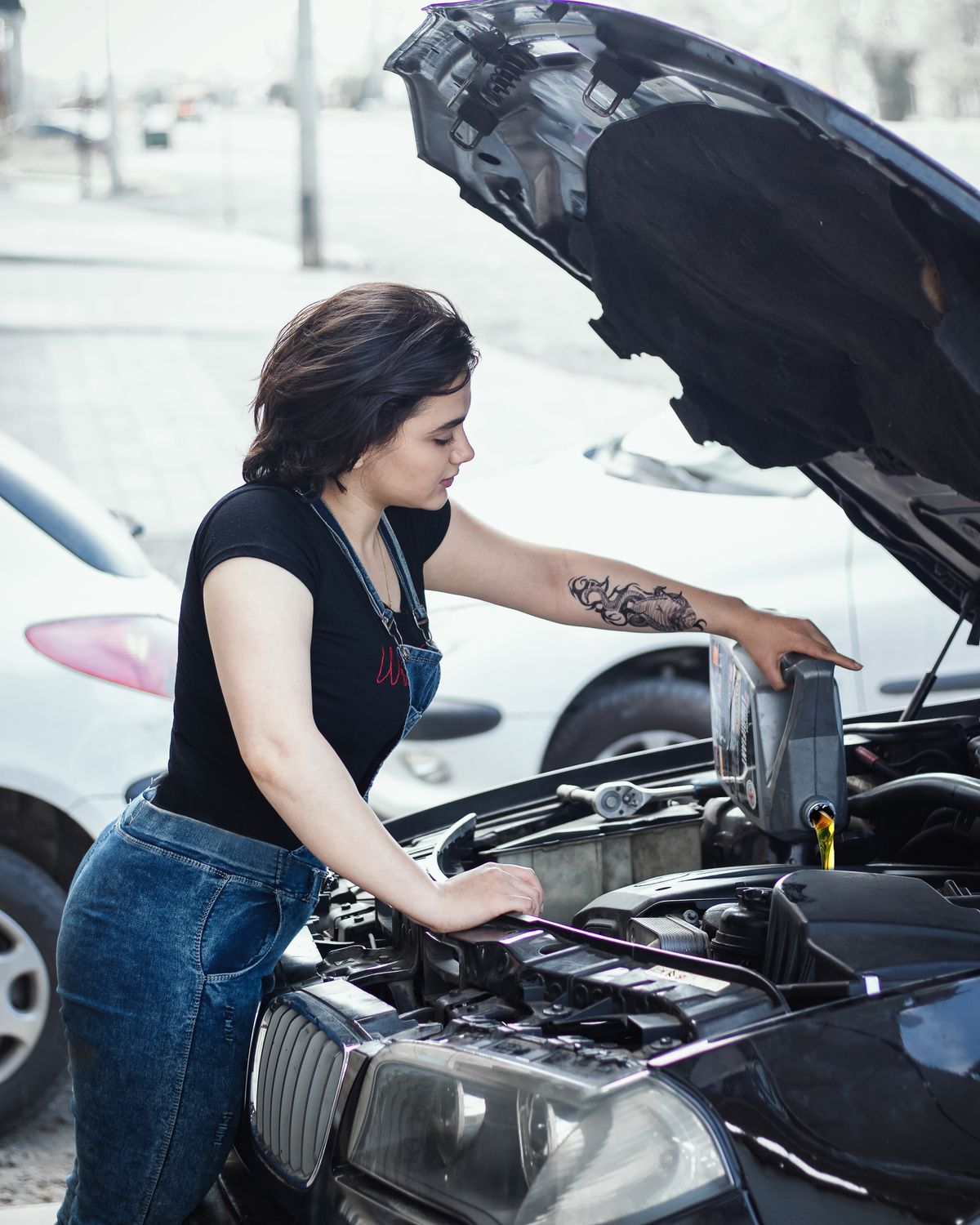
Pop the hood — it's the universal "I need help" signal. At night, keep the parking lights on. If you carry a reflective triangle or vest, this is the moment they earn their trunk space.
4. Call with three facts ready
Your exact location (last exit, mile marker or a shareable pin), your vehicle (make, model, color) and what happened (noises, smoke, warning lights). Those three facts let a dispatcher send the right truck the first time.
5. Wait smart
Stay with the car if it's safe, lock the doors, and keep your phone charged. A reputable operator confirms the price before hooking up — if the truck that arrives quotes something different, call dispatch back before anything touches your car.
Breakdowns are stressful, but they're also routine — for us, at least. Save our number now and the whole episode becomes a twenty-minute inconvenience instead of a story you tell for years.